Reading Time: 12 minutes.
Running entrepreneurial endeavours while being a developer and an artist at heart calls for a different mindset than the one shaped by code and creative culture. So at some point last year, I decided it was time to explore that mindset for my own growth—and picked up a few books to help. Here are some of the key lessons I took from them.
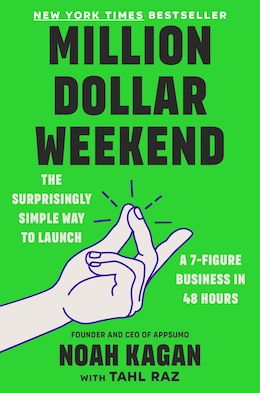
“Million Dollar Weekend” by Noah Kagan
Last year, James from Indie Makers space sent me a copy of this book with the condition that I would share my thoughts about it.
In general, it’s very honest and relatable, but also messy and chaotic, much like real business challenges can be.
Below are lessons, bits of wisdom, and interesting facts that I collected from the book.
The Business Playground: Think in Experiments
Everything you do—every launch, every product, every marketing strategy—should be treated as an experiment. And like all good experiments, some will fail. That’s not a sign to stop, but a signal to learn. Failure isn’t something to avoid; it’s something to expect.
The courage to begin, and to keep trying, is what separates creators from dreamers. This “Creator’s Courage” is what allows you to take an idea and test it in the real world, even if the outcome is uncertain.
Approach your business like a curious builder. Use it as a playground where you can test ideas, learn about yourself, solve problems you personally care about, and help others along the way. This mindset will help you become less self-critical and more open to creative possibilities.
Customer Problem First, Developing a Solution Later
For indie entrepreneurs, success isn’t just about building software or launching flashy products. At its core, business is about solving real problems. Your customers don’t want “more apps” or “innovative features”—they want results that make their lives better. Understanding this simple truth can save you years of chasing the wrong goals.
Marketing gets a lot easier when you have something genuinely useful. You don’t need to convince people if your product solves a real pain point. You don’t need to shout over the noise if there’s already demand and you’re just offering a better way.
Your role is to find existing problems, solve them effectively, and then ask people to pay for that solution. The mistake many make is trying to generate demand where there is none. Don’t convince—serve.
Ask Boldly, Fail Often
Most people never get what they want because they don’t ask. Kyle MacDonald famously traded a red paperclip up to a house, in just 14 steps—all by asking multiple people. If you believe your product or service can improve someone’s life, then not offering it is actually a disservice.
Adopt “rejection goals.” Try aiming for 25 noes. Each rejection is progress. Most “noes” are actually “not yets.” And every “yes” can lead to referrals, testimonials, or another experiment.
If you believe your product can fulfill a true need, it’s your moral obligation to sell it.
– Zig Ziglar
Focus Where It Matters Most
Too many first-time entrepreneurs spend most of their energy perfecting the product and very little time on customer discovery. The hard part isn’t the idea—it’s getting your first paying users.
Validation is simple: talk to people you know. Can you find three people within 48 hours who are willing to pay? That conversation shouldn’t be a pitch; it should be a chat. Ask things like:
- What would make this a no-brainer for you?
- Who do you know that might need this?
- What would you pay for something like this?
Validation often happens faster on existing marketplaces, such as Facebook Marketplace, Reddit, and Craigslist. Even a basic landing page (try Instapage or ClickFunnels) with a clear call to action is enough to test demand.
Use Your Zone of Influence
Beginners often look too far beyond themselves for opportunities. But seasoned entrepreneurs tend to find them close by—among their own interests, skills, problems, and personal networks. Real opportunities come from real people with real names, often already in your life.
Look at what people are already spending money on. Can you build an add-on? Can you teach them how to use it better? Can you sell to that same crowd with a related service?
The easier path is satisfying demand, not creating it from scratch. If you’re opening a taco stand, look for a starving crowd—not people who are “open to the idea of tacos.”
Understand the Numbers
Running a business doesn’t have to be complicated. Know your Freedom Number—the monthly income you need to live the life you want. For example:
- $1,000 for housing
- $1,000 for food and travel
- $1,000 for savings or investment Total: $3,000/month
Profit = Revenue – Cost
Now work backward. If you earn $30 profit per sale, you’ll need 100 sales a month. That’s clear, simple math.
Then, aim to improve your profitability:
- Increase order size or frequency
- Adjust your prices
- Sell to higher-income customers
- Add complementary products or services
- Create recurring income (subscriptions or reorders)
Marketing: Do It 100 Times Before Quitting
Marketing is not magic. The Law of 100 says: whatever you try—tweets, blog posts, videos, emails—do it 100 times before evaluating. This shift in mindset helps you push through discouraging early results and build momentum.
Start on social media, but always move your audience to your email list. Without emails, you’re just borrowing attention from platforms. Be a guide, not a guru—share your journey, document your experiments, and invite feedback. One of the best first emails you can send:
“What could I write to provide value to you?”*
A good list doesn’t have to be big. Even a 20% open rate can be powerful. For example, AppSumo used to average $100 per newsletter email. But then made around $9500 when incorporated with better storytelling.
Track what works. Create a spreadsheet with your marketing tactics. List expected results and actual outcomes for each tactic within a chosen duration. Cut what doesn’t work. Focus where returns are strong—even if it’s only $100 or 30 minutes saved per week.
Build Systems That Support You
Being an entrepreneur means you get to design your own system. That’s both the privilege and the challenge. Make sure the system supports your happiness—not just your business growth.
Set ideal goals for the year and group them into categories like Work, Health, Personal, and Travel. Break them down into small steps and put them on a calendar using different colors for each area.
You also need people. Connect with ambitious peers—especially those who aren’t influencers yet but are on their way. These “prefluencers” can become great allies. A supportive community makes the tough parts of the journey more bearable.
And one final reminder: cut toxic relationships, even if they seem cool. Clarity and focus require emotional space.
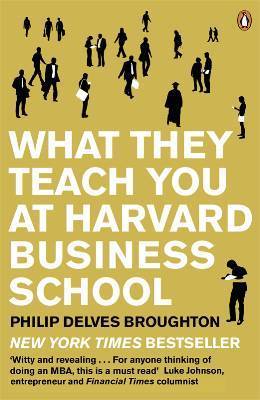
“What They Teach You at Harvard Business School” by Philip Delves Broughton
The author of the book was a journalist who started studying at Harvard Business School to gain financial freedom. However, he realized that it’s a hardcore experience to study there, and it wasn’t exactly what he expected. While studying there, he learned more about business-oriented people than about doing business in large corporations.
Here are some knowledge bits I extracted from that book for my professional growth:
You Are the Product (Sometimes)
At HBS, days could start at 7 AM and end at midnight. Fifty-five hours of academic work per week seemed extreme to outsiders, but for some students coming from high-pressure jobs, it was actually a break. The stress was real: physical, emotional, and mental strain were constant companions. Yet, students were told their calendars would be full of amazing opportunities—just not enough time to do them all.
In such environments, you learn this: sometimes you’re the customer of the school. Other times, you’re the product. That’s not very different from running your own business. You sell, serve, pitch, learn, hustle—and if you’re not careful, you burn out.
Financial Wisdom Is Simpler Than It Looks
Finance is often seen as complex, but the core ideas are surprisingly simple:
- Cash is king. More cash is better than less. Sooner is better than later. Certain is better than risky. And never run out of it.
- Valuation matters. Business is often about assigning value to assets. Whether you’re pricing a digital product or evaluating your startup, the question is: how much is it worth, and why?
- Inventory basics: A simple formula for product-based businesses:
Cost of Goods Sold / Inventory shows how quickly products are moving. Less inventory is better if you’re trying to be lean.
- In banking: Loans are assets (money going out to earn interest), and deposits are liabilities (money banks owe their customers). That’s the reverse of how most of us think.
A Good Product Is Not Enough
Many entrepreneurs believe a great product will sell itself. It won’t. To succeed, you need:
- Marketing – to reach people.
- Sales – to convert them.
- Customer service – to keep them coming back.
Harvard Business Publishing alone makes $100 million a year selling content for entrepreneurs. If they need marketing, so do you.
Think Like an Economist
Sometimes, small shifts in thinking make a big difference. One example from a restaurant: instead of a full kitchen, have chefs cook at the table. Smaller kitchen, lower rent. Another example: fewer menu items means less waste.
Big companies use this thinking too. McDonald’s decided it was smarter to sell franchises and support them than to own millions of properties. Fashion designers often don’t own factories—they just provide the design specs.
Ethics Are Flexible, But Important
Business ethics weren’t about fixed rules. They were about adapting to changing situations while maintaining basic decency. In business, things rarely fit a formula. But you still need your own boundaries—your “strong moral compass.”
You can lead others through tools like salaries, perks, team-building, promotions, and values. But ethical leadership is what makes those tools effective and keeps your company culture strong.
Know What Gives You an Edge
There are a few main types of competitive advantage:
- Cost advantage – You make and sell something cheaper.
- Differentiation – Your product is somehow better or more suited to a specific group.
- Vertical: better or worse in quality.
- Horizontal: offering more options or variety.
If you can keep your edge despite competition, that’s called sustainable advantage.
Risk Goes Both Ways
Risk isn’t only about something bad happening. It’s also about something good not happening on time. Not starting a business on hyped services might mean missing a great opportunity.
Pitch Like You Matter
Venture capitalists often invest in people, not just ideas. Put your bio upfront in your pitch deck. They want to know who you are and what drives you.
A good pitch answers two questions:
- What problem are you solving?
- Why should I buy it from you?
And always, always pick a niche. A broad audience is harder to reach than a focused one.
Reflect on Your Best Self
One exercise from HBS can be useful for indie founders. Ask yourself:
- When do you feel like your best self?
- What helps that version of you show up more often?
- What keeps you from it?
- How can you structure your life to bring it out every day?
- What should you stop doing?
- Where should you focus more?
Building a business isn’t just about systems and products. It’s also about building yourself.
Nine Out of Ten Fail. So What?
Yes, most businesses fail. That’s reality. But if you’re resilient—if you keep learning, adjusting, and showing up—you increase your odds.
Harvard teaches a lot of theories. But one lesson stands out for anyone starting their own business:
“Live as if you were to die tomorrow. Learn as if you were to live forever.”
— Gandhi
In the end, business isn’t just about profit. It’s about building something that matters, growing through it, and doing it in a way you can be proud of—whatever your size or path.
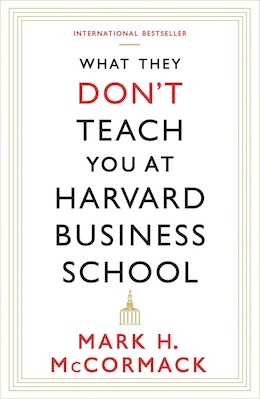
“What They Don’t Teach You at Harvard Business School” by Mark H. McCormack
The author of this book teaches lots of practical street-smart business tips from his first-hand experience. To do business, you don’t have to be a Harvard Business School graduate, but you have to be brave and proactive.
Here is what I learned from that book:
The People Side of Business
Starting and growing a business isn’t just about products, plans, or tools. It’s mostly about people. Whether you’re closing a deal, negotiating a contract, motivating a team, or just trying to get your first customer, your success depends on how well you understand and work with others.
Business is rarely about logic alone. It’s about reading between the lines, understanding moods, and listening more than you speak. Many successful entrepreneurs develop a kind of “street smarts”—they trust their instincts, ask smart questions, and pay attention to what people don’t say.
When you’re talking with someone, listen carefully to how they phrase things. Small pauses, hesitations, or strong words can reveal what matters most to them. Ask questions and resist the urge to answer them yourself. Let silence do the work—it can often lead others to reveal more than they intended.
How You Come Across
Your appearance, tone, and timing all send signals. For example, your clothes should fit well but not scream for attention. People who seem too perfect might be more focused on looking good than doing good. In business, real achievement speaks louder than polished appearances.
You don’t need to impress everyone directly. Let others mention your achievements. Avoid flattery—it feels fake. Instead, treat people the way they want to be treated. Personalize your messages, don’t waste anyone’s time, and above all, keep your promises. If you say you’ll deliver something and don’t, people lose trust—and that’s hard to win back.
Understand the System
Every company, every team, and every industry has a system—even if it’s unspoken. Your job is to understand it. Within companies, people often copy the style and habits of their bosses. Pay attention to how someone’s assistant acts—you might learn something about the person in charge.
Formal business situations usually reveal the least. People wear their “game face.” But behind the scenes, you can often learn more. A smart move is to help others without expecting anything in return—like connecting two people who could help each other. They’ll remember you.
Don’t try to be perfect. Instead, learn from your mistakes and own them. People who admit errors and move on are more respected than those who hide them or blame others.
How to Stand Out
If you’re an employee, your challenge is to make sure the decision-makers know your value—without upsetting the people between you and them. If you’re an employer, you must look beyond appearances and identify real talent.
Here are some basic rules to follow:
- The fittest survive—not necessarily the flashiest.
- Your peers are your allies, not your enemies.
- There’s always a system—find it and work with it.
The Power of Asking for Help
Not asking for help is short-sighted. The smartest people ask questions, learn from others, and grow faster. Your value increases as your knowledge expands.
Leverage your time and energy. Ask:
How can I make the biggest impact in the shortest time?
If you’re bored, it’s probably your fault. You haven’t found what makes the work meaningful—or haven’t tried hard enough to shape it into something better.
Selling Is Survival
Even if you don’t like selling, it’s essential. Without sales, there’s no business. The best salespeople don’t push—they wait for the right moment—timing and patience matter as much as skill.
In fact, many ideas fail not because they’re bad, but because they’re too early—or too late. Mature entrepreneurs learn to wait for the right time, even if it means delaying their own plans.
Try renewing contracts or asking for upgrades when the other side is happiest, not when the deadline is near. Sell to people who are either just starting a new role (they want to prove themselves) or about to leave (they have nothing to lose).
And once the sale is made, stop selling. Talk about something else—something personal or human. Over-explaining your product might make them regret the decision.
Focus on What Works
Use the 80/20 rule: 80% of your business will come from 20% of your customers. Identify them early and build long-term relationships. Also, figure out who really decides in the companies you deal with. It’s not always obvious.
Find the rising stars in other businesses and become their ally. Ten years from now, they might be in influential positions—and remember you.
When discussing prices, avoid round numbers. They feel negotiable. Odd prices seem more considered and firm. And when you’re drafting contracts, try to write them first. Avoid too much legal jargon—it can create distance. Send your proposal to the person you’re dealing with directly, not just their legal team.
Build a Real Business, Not Just a Plan
Successful businesses are built on common sense—plus the courage to act on it. Many good ideas fail simply because no one turns them into action.
Smart companies invest in training, not just hiring. Here are four basic principles to guide how you treat your team:
- Pay them what they’re worth.
- Make them feel valued.
- Encourage them to think for themselves.
- Keep work and personal life separate.
Start with modest pay. Let your employees prove themselves. Then reward them well. Motivate with both encouragement and high standards—but don’t ask anything you wouldn’t do yourself.
Time Is Your Most Valuable Asset
Time control is productivity. Once you believe that managing your time makes work better and life easier, everything else becomes more manageable.
Think of your week as 168 hours. Plan time for work, rest, and recharge. Organize tomorrow at the end of today. The same goes for weeks, months, and quarters.
Don’t let your phone control you. Make calls on your schedule, and ensure every call serves a purpose. If someone is too hard to reach, it’s usually not a technical issue—it’s a lack of interest.
Start Small, Stay Smart
Bootstrapping—building your business with limited funds—is often more effective than chasing investors. The more money you need upfront, the less likely your business will succeed.
People often say, “Don’t work hard—work smart.” The reality? You need to do both. Work smart and hard, and long. That’s how progress happens.
Finally, one last note: avoid having business partners if you can. Many of the most successful entrepreneurs went solo. The more people involved in decision-making, the more complicated things can get.
How Deep Am I Willing To Dive Into This
For me, entrepreneurship is about turning ideas into reality and sharing them with the world. It’s deeply fulfilling to build something meaningful—something enjoyable to create and that can also be financially rewarding. I’m not drawn to business for its own sake.
At the same time, making an entrepreneurial journey profitable requires more than creativity or being an indie maker. It takes rational thinking, initiative, and courage—traits I know I need to develop further to succeed and grow sustainably.
I’m not aiming to build a large corporation or climb the corporate ladder. Still, I understand the importance of knowing how those structures operate, especially if I want to offer services or products to people working within them.
Ideally, I’d keep my company small, with minimal hierarchy—bringing on only the people necessary to help with tasks I choose to delegate.
I see the ideas from business books as one end of a spectrum—something I can learn from, but not a destination I’m aiming for. My main goal is to create high-quality online tools and platforms that serve people and make a positive impact.
Credits: cover photo by Lexi Lauwers.
Disclaimer: I used ChatGPT to systemize and adapt the knowledge for this article at the comprehension level I wanted to maintain.